
Neurodevelopment
Understanding Masking: When Kids Hold It Together All Day and Fall Apart at Home

Parents often tell me some version of this story: “My child does great at school. Teachers say they’re a great student, a good friend, and working hard. But when they get home… it’s like everything falls apart. Big emotions. Irritability. Tears. Explosions. Shutdown. What happened to the kid who held it together all day?” This…
Read MoreThe Importance of Early Intervention for Autism: What Parents Need to Know

When you’re raising a child who processes the world differently, you’re often the first one to notice the little things. Maybe it’s the way your child struggles with transitions, avoids certain textures or sounds, has difficulty with conversation, or melts down the moment you get home from school. Maybe things just feel harder than they…
Read MoreDoes your child struggle with transitions?
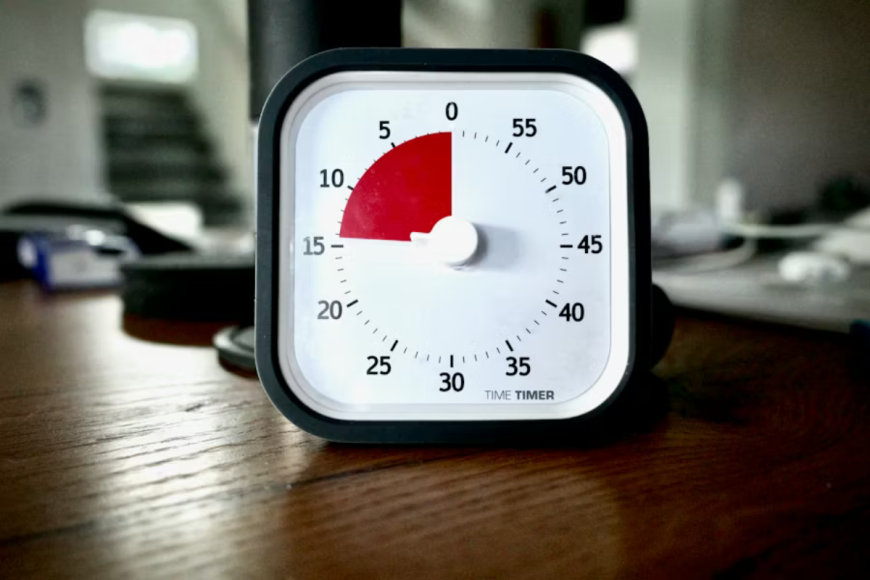
Transitions are everywhere. Some are so big and obvious that you can spot the problem from a mile away—like moving from a beloved tablet game to sitting at the dinner table… or from a fun holiday weekend to a busy school schedule on Monday morning. Others are tiny and constant, almost invisible unless you’re really…
Read MoreIs it normal for my child to have meltdowns?

Your child is having an intense emotional outburst — screaming, crying, seeming unable to calm down. Is this normal? Will they outgrow it? The honest answer: it depends on what’s driving it, not necessarily their age.
Read MoreHow to support your preschooler’s emotional communication skills

Your 4-year-old melts down over a broken crayon. Your 3-year-old hits when frustrated. Your preschooler struggles to tell you what’s wrong when upset. Sound familiar? It’s so easy to get triggered by our child’s big emotions and to interpret these as something is wrong. It’s also tempting to try to “fix it”.
Read MoreReading Your Child’s Behavior: Clues Beneath the Surface

When a child acts out, melts down, avoids, or resists, it’s tempting to see these behaviors as oppositional, laziness, or “bad behavior.” Your child’s behavior provides clues – signals from their brain and body telling us something about might be needed in the moment. If we can learn to read those signals, we can also…
Read MoreWondering About Early Signs of Autism?

As a parent, you know your child best. You notice the little things—how they respond to your voice, their facial expressions, and how they play, interact, and explore the world around them. If something feels “off” or different from what you’ve seen in other children, it’s completely natural to wonder whether it could be autism.…
Read MoreAnxiety and ADHD

Recent estimates from a very large US study (>45,000 participants) with the CDC shows that around 35% of children and 43% of adolescents/teens with ADHD also have an anxiety disorder (Danielson et al., 2024). Next to behavioral/conduct problems, anxiety is the most commonly associated disorder with ADHD. Why and how are anxiety and ADHD related?…
Read MorePremature Birth and Neurodevelopment

Children born before 37 weeks gestation (full term pregnancy is 40 weeks) are considered premature. Their early birth means they miss critical weeks of prenatal protection for their developing brain and body, and this presents risks for neurodevelopmental differences. During the last month of pregnancy, a child’s brain intensifies in the creation of new synaptic…
Read MoreADHD in Girls Looks Different

Imagine an 8-year-old girl in the back of the classroom, sitting quietly, gently swinging her legs under the desk, and staring out the window during class. Meanwhile, the class is working on a timed science quiz, and she hasn’t started yet. She is daydreaming, lost in her own world, but eventually gets to work. The…
Read More