
Neurodevelopment
How Do I Prepare My Young Child for School?

It can be such an exciting step to send your child to school for the first time! If you know your child has developmental differences, you may also have some worry. How do you make sure your child is ready? What can do you prepare your child? Here are some considerations below… Prepare for Structure,…
Read MoreDoes My Child Need Help?

As parents, we can see our whole child. This includes their incredible, unique, and special characteristics, but also the ones that make us worry. Every child has both strengths AND weaknesses. Development is also really discontinuous. This means that some areas mature earlier than others, early concerns will resolve, and later concerns can show up. Even…
Read MoreMonitoring Your Child After COVID-19
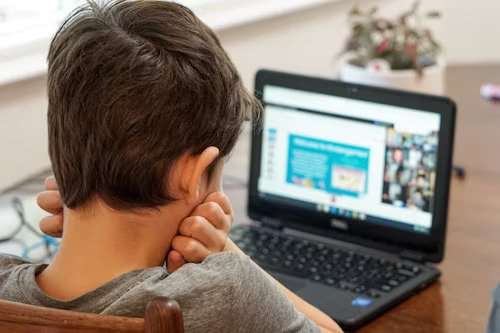
Parents, teachers, therapists, healthcare providers, and more are all noticing the long-term impact of the COVID-19 pandemic on children and teens. Even though the pandemic is over, we are still dealing with the effects. What do we know from science so far? Well, it’s messy. Findings vary based on child age, physical health, school and…
Read MoreCerebral Palsy and Neurodevelopment

Do you wonder about how to support your child with cerebral palsy (CP)? Every child with CP can show a different pattern of strengths and weaknesses. Motor delays are the primary weakness that is consistent across all children with CP, although this can vary significantly too. Motor weaknesses can be related to strength, coordination, balance,…
Read MorePsychoeducational vs. Neuropsychological Evaluation

If your child has been referred for a psychoeducational evaluation, you are likely noticing differences, delays, or problems at school. The goal of a psychoeducational evaluation is to evaluate intellectual functioning and academic functioning. Foundational language skills (e.g., phonological processing, verbal retrieval and fluency) may also be evaluated because weaknesses can contribute to a learning…
Read MoreDyslexia in Children with Medical and Genetic Conditions

Dyslexia is a language-based learning disability that affects reading, as well as writing, spelling, and spoken language. Symptoms can range from mild to severe, and they can affect educational progress significantly when a child does not get timely intervention. Dyslexia affects around 15-20% of the general population. Depending on the study methods, sample, and reading…
Read MoreWhen you get a new diagnosis for your child…
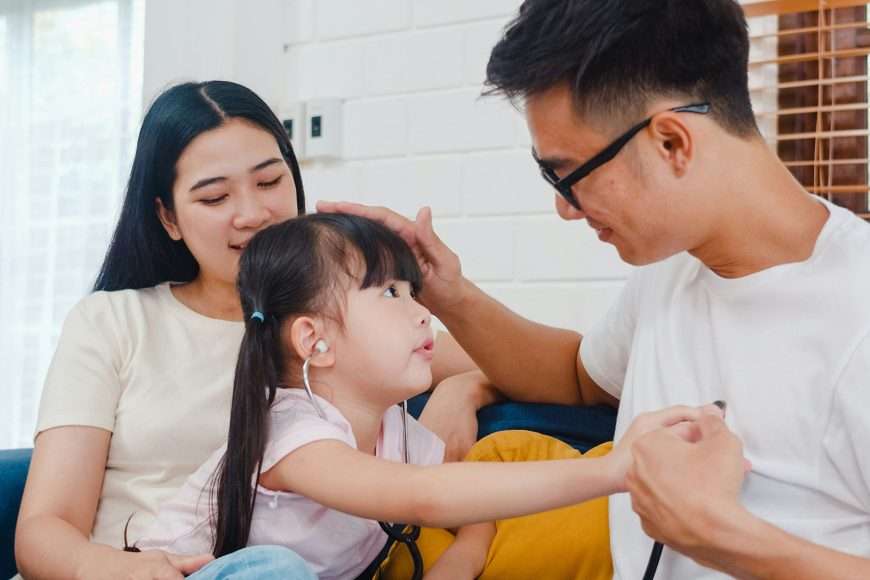
Has your child been diagnosed with a neurodevelopmental disorder, such as ADHD, autism spectrum disorder, intellectual disorder, or a specific learning disability (also called dyslexia, dyscalculia or dysgraphia)? Many of these disorders tend to co-occur and they are highly heritable in families. Children with medical conditions are at higher risk of neurodevelopmental disorders as well. …
Read MoreSensory Processing, Attention, and Emotions

Imagine yourself in the following places… …a theme park like Disney World …a concert at an indoor theater …a large party with about 100 people …shopping in a large crowd at the mall …sitting in a traffic jam during rush hour in a thunderstorm …a professional sports stadium …a classroom of 25 preschool children (3…
Read MoreIs Your Child with a Medical Condition Misunderstood?

It’s common for parents to request a neuropsychological evaluation after they’ve worked with many professionals. Families express confusion and frustration. They just want answers, and they want to know how to help their child! Here is a fictitious example that is common for a child with a medical condition: Bobby was born with cerebral palsy…
Read MoreWhat is a Neurodevelopmental Disorder?

You might be wondering what this means…. Neurodevelopmental disorders encompass a group of disabilities that involve delays, deficiencies or problems that begin during childhood or adolescence (and can persist into adulthood). A range of skills or behaviors can be affected: Based on what science has learned from typically developing healthy children, we know the developmental…
Read More