
Monitoring Your Child After COVID-19
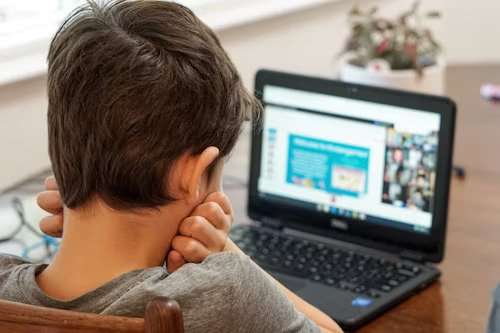
Parents, teachers, therapists, healthcare providers, and more are all noticing the long-term impact of the COVID-19 pandemic on children and teens. Even though the pandemic is over, we are still dealing with the effects.
What do we know from science so far? Well, it’s messy. Findings vary based on child age, physical health, school and community resources, family factors, and more. Below is a snapshot from the science so far…
Infants: Studies with infants show variable findings related to delays in language, cognitive, and motor skills over the past couple years. Research takes a long time to conduct so this will continue to emerge. Access to early intervention therapies was also reduced during the pandemic. Early developmental delays can contribute to challenges with school readiness.
School-age and older children: Symptoms of attention problems and behavioral dysregulation, along with rates of an ADHD diagnosis have been higher since the pandemic. Symptoms of anxiety, depression, disordered eating, and incidents of self-harm or suicide have also increased, as has the need for mental health services. For some adolescents and teens, important milestones were missed, and this has contributed to delays in social-emotional development but also grief and loss (e.g., proms and school dances, graduation ceremonies, driving, dating, getting a job, and more). Finally, academic learning losses in reading and math have been significant, and some students are not catching up despite school interventions and tutoring.
Risk factors for various concerns since the COVID-19 pandemic include the following:
- Prenatal or early childhood exposure to the COVID-19 virus
- Child exposure to high family stress during the pandemic (financial strain, parent mental health, loss of family members and loved ones, etc)
- Significant disruptions to educational instruction (e.g., extended periods of ineffective virtual learning, school absences)
- Significantly decreased social connectedness
- Low family and school resources
It’s important to also know that some children have shown tremendous resilience and were not affected in the long-term by the risk factors listed above.
But if your child or teen is showing challenges or delayed progress, it’s critical to get help and avoid further delays. Some schools are overwhelmed with the need for tutoring and outside instruction. While it will be helpful to first check in with your school about extra help or tutoring, it may be necessary to gain support outside the school.
If your child is showing ongoing mental and behavioral health challenges, talk with your pediatrician and school team to get referrals for a therapist or counselor.
If your child is showing signs of learning delays or other school challenges, an evaluation may be needed. If your child has a medical condition, your child may be more vulnerable and “catching up” may be an even greater challenge. An evaluation will help explain your child’s strengths and weaknesses, and give you a plan for what to do next.
Contact us to learn more about evaluation services and how we might help: [email protected]
The following resources might also be helpful:
https://pedneurocenter.com/developmental-evaluations-with-infants-and-preschool-children/
https://pedneurocenter.com/how-to-prepare-your-school-age-child-for-an-evaluation/