
Your Child’s Big Feelings – Is There Something More?
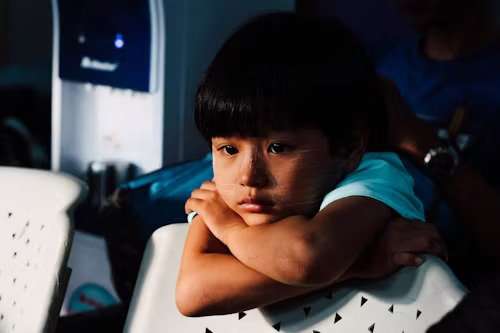
Labels commonly used to describe the temperament or personality of children are everywhere – such as “highly sensitive”, “deeply feeling,” “strong willed,” and many more. But I’ve listened to parents who start to wonder: Is there something deeper we should be paying attention to? Why don’t typical parenting strategies work?
Why Descriptive Labels Can Help
Descriptive labels like “highly sensitive,” “spirited,” or “deeply feeling” can be a lifeline for parents and they validate daily struggles. They offer a way to understand kids without jumping to conclusions that these characteristics are problems to be fixed, or that they are associated with a “disorder” or “disability.”
These labels also give parents tools and community. Books, podcasts, and blogs come with tips for supporting sensitive kids with big feelings —things like calm-down corners, predictable routines, or helping them name and manage big emotions. For many families, that’s enough. Sometimes, a child is just wired to feel the world more intensely, and with understanding and parent connection, they learn to thrive.
When It Might Be Time to Look Deeper
But what if it feels like more than just a temperament difference? Maybe your child’s emotions lead to hour-long meltdowns that routinely disrupt family life. Or they’re falling behind at school because they can’t meet expectations. Or other kids avoid them because their reactions are unpredictable. Maybe you’re adjusting family routines to support your child’s challenges with flexibility. You’ve tried using every strategy you can find, but it still feels overwhelming—for them and for you. Your child is still a puzzle.
In these cases, a clinical evaluation can be a helpful next step. Meeting with a professional doesn’t mean your child will automatically get a diagnosis. Sometimes, an evaluation simply helps you understand what’s going on and gives you more tailored strategies. If a diagnosis does make sense, it can open doors to school accommodations, therapy, or resources you didn’t even know were available.
Labels and Diagnoses
Every parent should feel some caution about a neurodevelopmental or clinical diagnosis. It’s natural and expected to worry about what a diagnosis might mean. Many parents fear that a label will follow their child, change how others treat them, or make them feel “different.” These concerns are valid.
But a clinical diagnosis—when it’s accurate and appropriate—isn’t a judgment about your child. It doesn’t define them. It doesn’t change or take away their uniqueness and beauty.
A diagnosis should give you a clearer picture of how your child is different, what their behavior signals to us, and what interventions or supports are known to be most helpful.
For many families, having a name for what they’re seeing feels like a weight off their shoulders. It’s not about boxing a child in, but about building a roadmap – to help you feel successful and confident. And with the diagnosis comes a whole new village of support – other families and providers who understand your journey.
Trusting Your Gut
If your intuition tells you something more is going on—or your child’s struggles are affecting one or more areas of daily life—seeking professional support can bring clarity and options. You can appreciate your child as a “spirited” or “deeply feeling” while also exploring whether there’s more to understand. Trusting your gut and stay curious.
Contact us for a free consultation to learn about how a neuropsychological evaluation might help you understand your sensitive, deeply feeling, strong-willed, or spirited child: [email protected]