
Reduce Learning Losses Over Summer
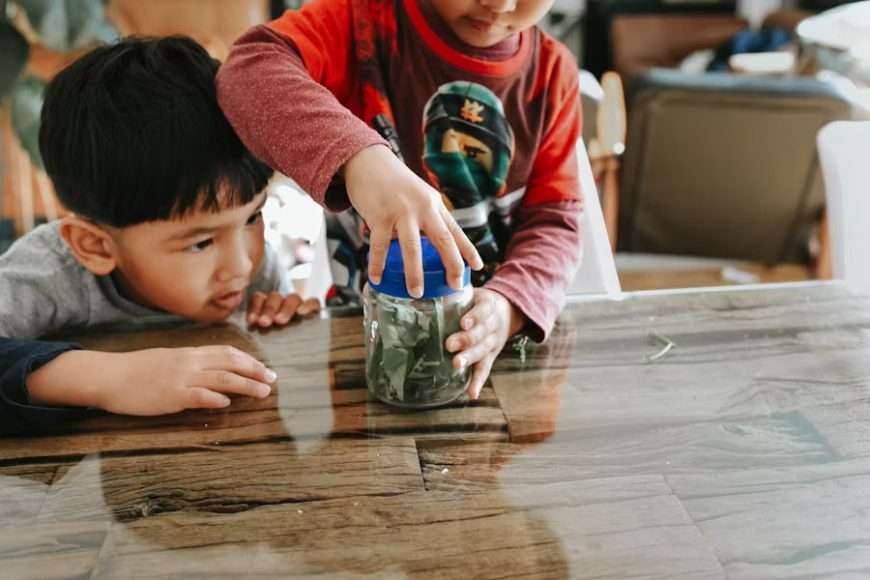
To reduce the effects of the “summer slide”— or the academic regression that many students experience during extended breaks from school — try to blend learning opportunities into your child’s preferred activities or daily routines. Here are some ideas that you can adjust based on your child’s age…
Daily Reading
No matter your child’s age, exposure to books and reading is essential. Encourage a consistent reading routine – whether you are reading aloud, your child is reading, or both. Remember that reading aloud to your child is just as important as your child’s reading practice. Set aside 15 to 30 minutes each day (depending on age and attention span) to read something they enjoy—whether it’s a chapter book, picture book, comic book, or graphic novel. The key is to let them choose materials that genuinely interest them – so reading is fun and not a chore. This daily routine helps supports vocabulary growth, reading comprehension, and reinforces focus and attention regulation. Ask them to help you make a cozy reading spot for this special time together (e.g., blankets, pillows, special lamp or reading light, and favorite stuffed animals).
Everyday Math
Math doesn’t have to involve worksheets or flash cards —you can sneak it into daily life in ways that are natural and fun. Many kids learn better when learning isn’t rote and repetitive. Involve your child in activities like cooking, where they can practice counting, measuring, fractions, and proportions. Find ways to show measurement and quantity (big, wide, short, empty, total, less than, longest, inches vs. centimeters, etc). If you’re planning a vacation, grocery shopping, or special purchase, include them and ask for their opinion. Talk with and show them how you make decisions about cost estimates, budgeting, or price comparisons. If your child earns an allowance, bring out the piggy bank and help them count and sort their bills and/or coins. What could they afford to buy? Allow them to make small purchases at the store to practice understanding the value of money. What about telling time and understanding how long things take? Be creative with clocks and timers to make time more concrete. All this will help with math word problems.
Handwriting and Written Expression
Encourage fun and creative ways to practice writing skills. This might include a journal about their day or fun activity, writing postcards or notes to relatives, or creating stories or comics. They might keep a summer scrapbook with photos and drawings that have short written captions or labels. Getting thoughts organized onto paper is a significant challenge for some kids, so they may need you to provide some prompts and structure to reduce any pressure. What about starting off with a brainstorm or mind map? You could also try writing a story together by taking turns adding to the plot sequence. Then they can create the illustrations. Or what about creating a family newsletter that describes the summer?
Educational Technology
Educational apps like Khan Academy, Prodigy, or MobyMax offer interactive lessons that adapt to your child’s skill level. Even a short session a few times a week can help reinforce what they’ve learned during the school year, without overwhelming them. This might be especially helpful for math or spelling skills that can be forgotten without review. Ask your teacher about options before the school year is out. Some schools and districts have online memberships that allow access to resources at no cost to their students.
Explore the Community and Nature
Visit museums, science centers, botanical gardens, or nature trails to reinforce curiosity and introduce new ideas. You know all those tourist attractions that we rarely visit as locals – what can you try? Look for special workshops or events for kids when you visit these places. Or use your own neighborhood or community to get out and explore. Take a nature walk around the neighborhood or local park – make it a scavenger hunt that you take along and cross off all that you discover. Or what about exploring a nearby community of family or friends…what about an overnight visit or a new park? If your family likes the outdoors, make a list of local hikes for the summer – how many can you complete? Or do the same for local parks – then take a vote on your favorite!
Formal Educational Support
Some children use the summer to catch up or make gains in academic areas that need support – whether through formal tutoring or summer school. If this is the case, help your child find ways to balance the pressure they might feel if they have only a short summer break. Rewards for their hard work may improve engagement if motivation is low, but make try to use positive experiences (e.g. movie with mom, favorite dessert with dad, picnic at park, etc) as rewards rather than tangible items.
Unstructured Free Time
Unstructured play and downtime are just as important as routine – for everyone in the family. This time allows us to recharge and rebalance after the pressure of meeting expectations. It also gives your child space for creativity. Talk with your child about what makes them feel relaxed and calm. Do they need some alone time? What about time with a pet? Or what about one-to-one time with a loved one? How can you use music or physical activity in new ways?
If you are worried about your child’s learning losses and wonder if more supports are needed in the school, a neuropsychological evaluation may be helpful. This will give you a comprehensive picture of your child’s strengths and weaknesses, and recommendations for how to support any concerns. Contact us for a free consult: [email protected]