
Is My Child Lazy? What Their Behavior May Actually Be Telling You
Few words worry parents more than lazy. It often starts with observations that seem difficult to explain.
Your child avoids homework, but happily spends hours building with Legos.
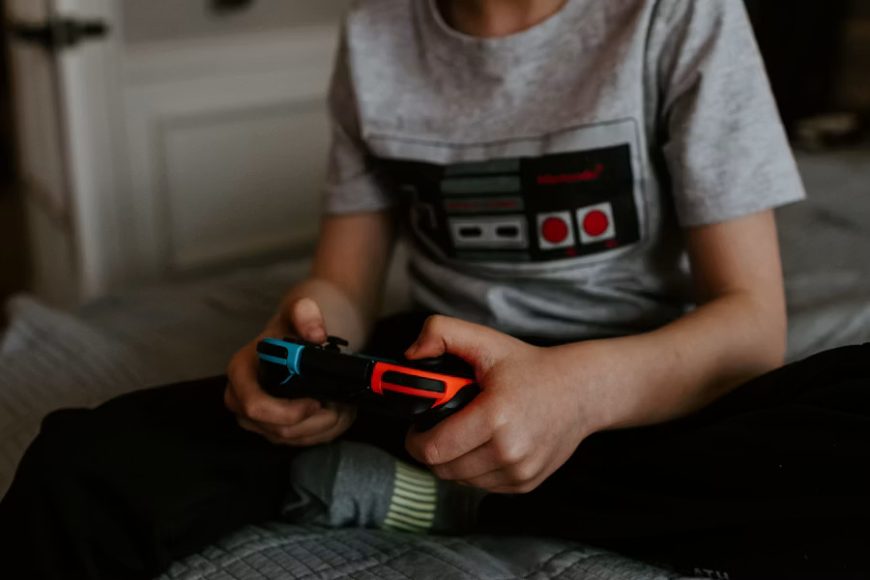
They can focus for hours on a video game but struggle to even begin a writing assignment.
They promise they’ll clean their room, but somehow never get started. Or they have a meltdown just making their bed.
You wonder, If they can do the things they enjoy, why won’t they do the things they need to do?
It’s a reasonable question. But it’s worth asking another question:
What is this behavior trying to tell us?
“Laziness” is an interpretation. It’s a conclusion we’ve reached about why a behavior is happening.
The challenge is that behavior rarely tells us why. Behavior simply tells us that something is happening beneath the surface.
Our job is to understand what that might be.
As a pediatric neuropsychologist, I spend much of an evaluation trying to understand patterns rather than isolated behaviors. Rarely does one behavior tell the whole story. Instead, I begin asking questions and developing hypotheses.
Could this child be overwhelmed by the number of steps required to complete the task?
Are they worried about making a mistake?
Do they know where to begin?
Is the task mentally exhausting because it requires skills that don’t come easily?
Have they already used up much of their mental or physical energy earlier in the day?
Notice that none of these questions assume the child simply doesn’t care. In fact, in my experience, children and teens actually want to please their parents and teachers. They want to do the “right” thing.
So, our questions need to assume there may be more to the story.
What I hear most often is that ” they can focus on video games for hours, so why can’t they…. [insert nonpreferred activity or routine here].”
Technology based activities (games and videos) provide immediate feedback, clear goals, novelty, and frequent rewards. Even if it’s just passively watching something interesting or funny. Whereas homework, organizing a bedroom, writing an essay, or studying for a test require something very different. They demand planning, sustained effort, working memory, flexibility, self-monitoring, and persistence—skills known as executive functions (and this includes a lot of self-regulation.
Children who struggle with these skills often want to succeed just as much as their peers. They simply have to work much harder to get there.
Another clue parents often notice is inconsistency.
Your child finishes homework independently one night but can’t seem to start the next.
They happily help a grandparent clean the garage but refuse to pick up their own room.
They complete a science project with enthusiasm but procrastinate on a book report for weeks.
Rather than dismissing these inconsistencies, become curious about them.
Ask yourself:
What was different?
Was the task more interesting?
Was someone working alongside them?
Did they have fewer demands earlier in the day?
Did they know exactly what to do?
Did success feel more achievable?
Sometimes the days our children succeed teach us just as much as the days they struggle.
It can also be helpful to involve your child in understanding what’s happening.
Try asking your child,
“Tell me about what made it hard to get started.”
“If you could change one thing about this assignment, what would make it easier to begin?”
You might be surprised by the answers.
Children often tell us they didn’t know where to start.
That the assignment felt too big.
That they were worried about getting it wrong.
That they kept meaning to do it. But forgot.
That by the time they remembered, it felt impossible. They were too tired.
None of this means children shouldn’t be expected to complete responsibilities or contribute at home. Chores, homework, athletic, and family expectations remain important. Children need structure, accountability, and opportunities to develop independence.
Sometimes the solution is teaching a new strategy. Sometimes it’s breaking a task into smaller pieces. Sometimes it’s addressing anxiety, depression, ADHD, or a learning difference. Sometimes it’s simply recognizing that a child is mentally overloaded and needs help building skills rather than more reminders.
The word lazy can close the conversation before it ever begins. Curiosity keeps it open.
The next time your child seems unmotivated, resistant, or stuck, pause before deciding you know why. Ask yourself: What might my child be experiencing that I can’t see yet?
That question won’t always give you an immediate answer. But it often leads to something much more valuable—understanding.
And understanding is where effective support begins.