
Anxiety and Dyslexia
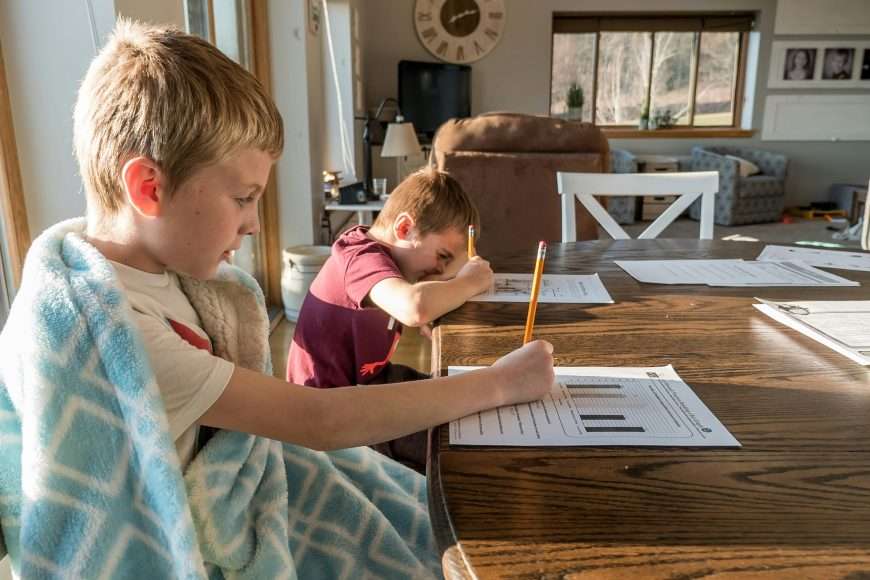
The relationship between anxiety and dyslexia is complex. Studies show that social anxiety is the most common type of anxiety that individuals with dyslexia experience. Social anxiety might manifest when a child is expected to read aloud or participate in discussions about the reading material. Being around others who do not have dyslexia can present feelings of being misunderstood or negatively evaluated when mistakes or challenges occur.
Beyond social anxiety, generalized anxiety can affect an individual’s attention, working memory, and long-term memory storage, which are critical cognitive processes during reading. Anxiety becomes noise that is distracting, and it clogs up one’s mental space for thinking, learning, remembering, and recalling/retrieving information. Anxiety can also affect test performance, especially timed tests.
Undiagnosed and late diagnoses of dyslexia may mean that the child has spent an extended period feeling frustrated, worried, and working excessively hard. When a child doesn’t understand their profile of strengths and weaknesses, it’s harder for them to avoid generalizing isolated areas of weaknesses. It’s also more difficult for them to know how to self-advocate. Remember that the dyslexia cognitive profile can include more than just reading differences.
Effectively tailored strategies need to be taught to help empower the child so they feel a sense of mastery while reading. Teachers and families may also need to accommodate or modify academic tasks depending on a child’s abilities.
Watch for symptoms of possible anxiety that might arise around reading related tasks:
- Avoidance, excuses, refusal, or procrastination
- Excessive worry, irritability, or fears of failure, bad grades, getting wrong answer, or not being good enough.
- Generalized negative statements about abilities, intelligence, etc. (e.g., ‘I’m stupid’).
- Overly dependent on others for help or reassurance during reading related tasks
- Somatic complaints around reading related tasks (e.g., headaches, stomachaches, fatigue, pain, illness)
- Nail biting, hair twirling, or fidgeting that suggest internal restlessness
And here are strategies to consider in the support of anxiety and dyslexia:
- Reflect and validate any feelings they share
- Build confidence with statements about how they can handle those uncomfortable feelings AND also keep up their effort: “I know that reading is so hard right now and I feel confident that you can do this!”
- Praise their effort and hard work, rather than grades (or awards).
- Praise bravery for accepting their mistakes and not giving up.
- Create an environment during homework or reading practice (especially oral reading) that is free from distractions and feels supportive. This may mean coaching siblings to make sure they are also supportive.
- Help them understand dyslexia. This could include reading a book together about dyslexia that is appropriate for their age. This will help them see that having dyslexia does not mean they lack cognitive abilities, and that hard work with remediation really pays off!
If your child with dyslexia presents with anxiety symptoms that significantly interfere with daily life, it may be time to get professional help. This might include evaluating their current intervention and accommodations plan at school. It might also include therapeutic supports. Contact us to learn about how we can support parents of children with anxiety and learning disorders: [email protected]