Genetics and Neurodevelopmental Disorders
The link between genetic disorders and neurodevelopmental disorders is complex, and in some children, there is also a medical condition. With the integration of medicine, neuroscience, and psychology, the field of genetics has the potential to improve the timing and accuracy of diagnosis and the effectiveness of treatment.
Learn more about The Human Genome Project here: https://www.genome.gov/human-genome-project
A genetic disorder occurs when there are abnormalities in DNA, which is your child’s unique genetic code. Abnormalities can occur at different levels: A single gene (monogenic), multiple genes (polygenic), and when there are missing, extra, or mutated chromosomes. A chromosome disorder is a kind of genetic disorder. Here are some examples:
- Single Gene: Sickle Cell Anemia, Rett Syndrome, Marfan Syndrome, Neurofibromatosis Type 1
- Multiple Genes: Congenital Heart Disease, Asthma, Diabetes, Cleft Lip/Palate, Autism, ADHD, Dyslexia
- Chromosomal: 22q11.2 (DiGeorge), Trisomy 21 (Down Syndrome), Fragile X, Williams Syndrome, Turner Syndrome
DNA vs. Genes vs. Chromosomes: It can be confusing!
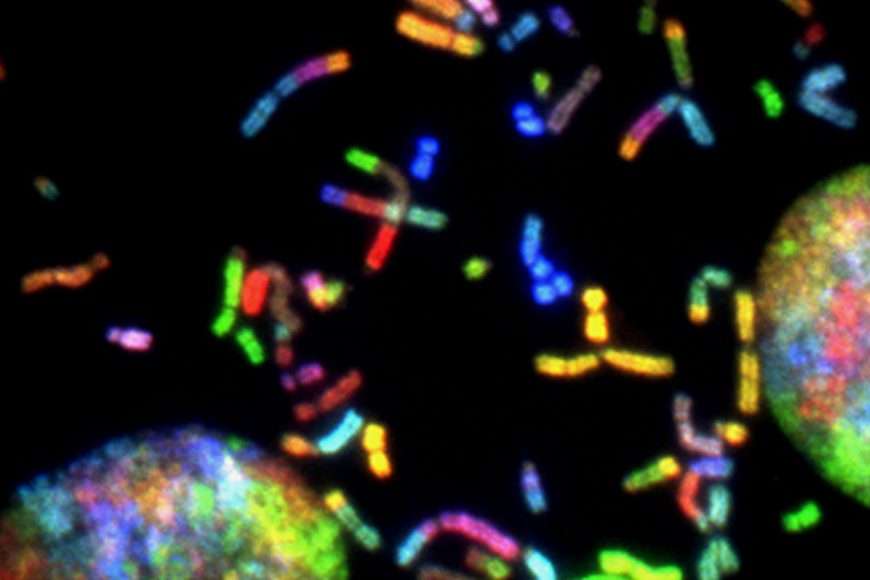
Start with any cell in the human body and inside is a nucleus. Within the nucleus are tiny thread-like chromosomes. A cell typically has 23 pairs or 46 total chromosomes (2 determine our sex, either XX for female or XY for male), and half come from each biological parent. Each chromosome is made of a long strand of DNA, which is shaped like a spiralized ladder. A DNA strand is built out of gene segments. There are approximately 20,000 human genes.
What causes genetic variants (also called mutations)?
Sometimes a genetic variant is inherited or passed along from biological family. But not all genetic mutations are heritable. Genetic disorders can be associated with early risk factors, such as medical complications or fetal exposures during pregnancy (e.g., drugs, alcohol, prescription medications, maternal diabetes). However, we often do not know the cause of a genetic mutation.
A less obvious influence over genes is the environment. This includes the physical environment as well as behavior and experiences throughout the lifespan. Factors such as pollution, poor nutrition and diet, exposure to abuse or trauma, and chronic stress can change the way your genes function. The field that looks at how behavior and environment influences genes is called, Epigenetics.
Gene (Mal)Function
It’s clear that genes determine physical characteristics (e.g., eye or skin color) when we see the resemblance among biological family members. Although not visible without imaging, the structure (and function) of bodily organs are also genetic, including the heart and brain. Importantly, neurodevelopmental and psychological disorders are highly genetic, including ADHD, speech/language delays, learning disabilities (e.g., dyslexia), schizophrenia, depression, anxiety, and others. It can be very helpful to understand family history when a child is presenting with developmental concerns.
Common genetic variants are involved in a number of neurodevelopmental disorders. In other words, the same group of genes are associated with symptoms that span across different neurodevelopmental diagnoses. This helps explain:
- Overlapping symptoms across neurodevelopmental disorders
- Why neurodevelopmental disorders are diagnosed together or they co-occur
- Why some children are misdiagnosed
Genetic testing is often completed for a child when there is an associated medical concern known to occur with some genetic disorders (e.g., intractable seizures, congenital heart disease, cleft lip/palate, and other birth defects, etc). Other times, a child presents with physical characteristics of a genetic disorder (e.g., features of the face, ears, fingers/toes, skull, etc).
Global developmental delays and intellectual disability can be associated with rare genetic disorders. Genetic testing is rarely completed for neurodevelopmental disorders in the absence of a medical or neurological diagnosis. But this will likely change in the future.
Genetic testing requires blood, saliva, urine or body tissue. The testing can explore single genes, chromosomes, or a group of genes known to be related to specific concerns (e.g., intractable epilepsy, cleft lip/palate) or a specific diagnosis that might run in the family. In some cases, this is not enough information to clarify a diagnosis. Whole genome sequencing analyzes the entire genome, and whole exome looks specifically at all the protein coding regions; these allow for a more comprehensive picture when answers are needed to guide treatment. Standards for how to interpret whole genome sequencing are still evolving, and the significance of some genetic variants are unknown.
Children diagnosed WITH a genetic disorder or syndrome can be at high risk of neurodevelopmental disorders. This includes increased risk of intellectual disorder, ADHD, autism, communication disorders, motor disorders, learning disabilities, and mental health problems (e.g., anxiety, depression, etc).
In some cases, problematic developmental symptoms do not meet criteria for a diagnosis (e.g., attention problems, social challenges, weak fine motor, slowed processing speed, poor math and reading comprehension, etc), but they still significantly impact the child. This can make diagnosis complicated and treatment strategies unclear.
Children WITHOUT a genetic diagnosis, but with a complicated medical history, are often at high risk of neurodevelopmental disorders as well. This is typically due to abnormalities in brain development, which may or may not be related to a genetic mutation. Any concerns or questions about the role of new or additional genetic testing should be directed to your child’s medical providers.
If your child has a genetic diagnosis or a complex medical history, early identification of neurodevelopmental problems is critical to timely intervention. Continued follow-up to monitor critical stages will also help you identify any concerns that can emerge later in development. Transition points can be times of great change and stress for a vulnerable child, such as school readiness, mid-elementary years (around 3rd-4th grade), early junior high, preparation for high school, and post high school planning. The goal is to have supports and intervention in place as soon as concerns emerge!
If you have concerns about the impact of a genetic disorder or complex medical condition on your child’s neurodevelopment, contact us to learn more about how we can help.