
Protective Parenting and a Child’s Growing Independence
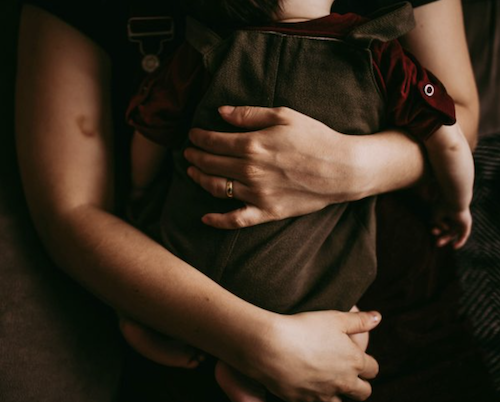
Every parent wants to keep their child safe, happy, and thriving. It’s natural to want to protect them from discomfort, disappointment, or distress. But sometimes, in trying to shield children, parents can unintentionally limit their growth. Protective parenting and accommodating behaviors often come from love — but they can make it harder for kids to build independence, confidence, and resilience over time.
Understanding Protective Parenting
Protective parenting is a style marked by high involvement, vigilance, and a strong desire to prevent injury, illness, or distress. Protective parents often step in quickly to solve problems, manage situations, or prevent discomfort. When a child has a medical condition, this protection is often aimed at keeping them healthy. The intentions are good — but when a child doesn’t experience challenges or healthy risks, or they miss opportunities that other children have, they don’t get to grow new interests or skills, practice coping, and learn that they can handle tough moments.
About Parent Accommodating Behaviors
Parent accommodating behaviors are slightly different but closely related. They occur when parents do or say things regarding conversations, routines, expectations, or interactions to prevent a child’s distress or anxiety. For example, a parent might:
- Let a preschooler avoid playdates because they cling or cry.
- Speak for their shy child when others ask a question.
- Repeatedly reassure a child’s worry-related questions at bedtime.
- Allow a teen to skip school presentations because they’re “too nervous.”
Each time, the short-term goal is peace and comfort — but the long-term cost is missed practice in managing uncomfortable emotions. Children need to feel uncomfortable (i.e., feel their tough feelings) so they know they can handle it.
How This Looks Across Ages
Preschool years:
A child refuses to separate at daycare, so the parent stays in the room every morning. The child learns that separation is unbearable — and the parent must stay for them to feel safe. They believe they can’t do it on their own and they must have a parent nearby.
School-age years:
A child worries about getting a question wrong in class, so the parent checks homework excessively or allows them to skip school when tests cause anxiety. The child is not learning that they can manage uncertainty or bounce back from mistakes. They can do hard things even when they are nervous.
Teen years:
A teenager with social anxiety avoids group projects or school events. Parents make excuses, call teachers, or keep them home. The teen’s world shrinks, reinforcing the belief that social situations are unmanageable.
Why This Matters
These parenting strategies are emotionally driven. Parents’ own feelings are driving how they respond to their child’s feelings. And this makes sense! We feel our kids feelings. It works in the short-term. But in the long-term, children may come to believe that:
- The world is too difficult to handle.
- Their feelings are dangerous or unmanageable.
- Someone else must fix their problems.
This limits the development of grit, resilience, and emotional tolerance — skills that allow kids to handle stress, learn from mistakes, and recover from challenges. These patterns are especially common among children who experience anxiety, have medical conditions, or live with neurodevelopmental disorders such as ADHD or autism.
Shifting Toward Effective Parent Support
Supportive parenting doesn’t mean withdrawing help — it means helping differently. Instead of rescuing or avoiding, parents can:
- Acknowledge and validate feelings (“I know this feels scary right now”)
- Show confidence in their ability to cope (“I believe you can handle this”)
- Encourage small steps toward bravery. (“You can do this one step at a time”)
- Gradually reduce accommodations to allow your child’s resilience and independence to grow.
This is not a “sink or swim” approach. Instead, this is a gradual, compassionate process of building tolerance and mastery.
An example for building bravery with slow exposure…
A 7 year old child becomes anxious about ordering their own food at a restaurant. They always ask their parent to order for them.
Step-by-step plan:
- Step 1: Parent orders but child practices saying the order quietly at the table.
- Step 2: Child tells the parent what to say, and the parent repeats it to the server.
- Step 3: Child says one item to the server while the parent stays nearby.
- Step 4: Child orders their full meal independently, with praise for effort and not perfection.
The goal isn’t to eliminate anxiety — it’s to teach that anxiety can be tolerated, and bravery grows with practice.
Final Thoughts
Protective parenting and accommodating behaviors come are natural when you have an anxious child and when your child has a history of medical risk or fragility. But helping children grow means trusting their ability to face challenges, even when it’s uncomfortable — for both parent and child. With empathy, validation, and gradual steps toward independence, parents can help kids build the resilience they’ll need for a lifetime.If you want parenting support to help implement these strategies, contact us to learn more about Supportive Parenting for Anxious Childhood Emotions (SPACE) treatment: [email protected]