
Do You Feel Like a Broken Record?
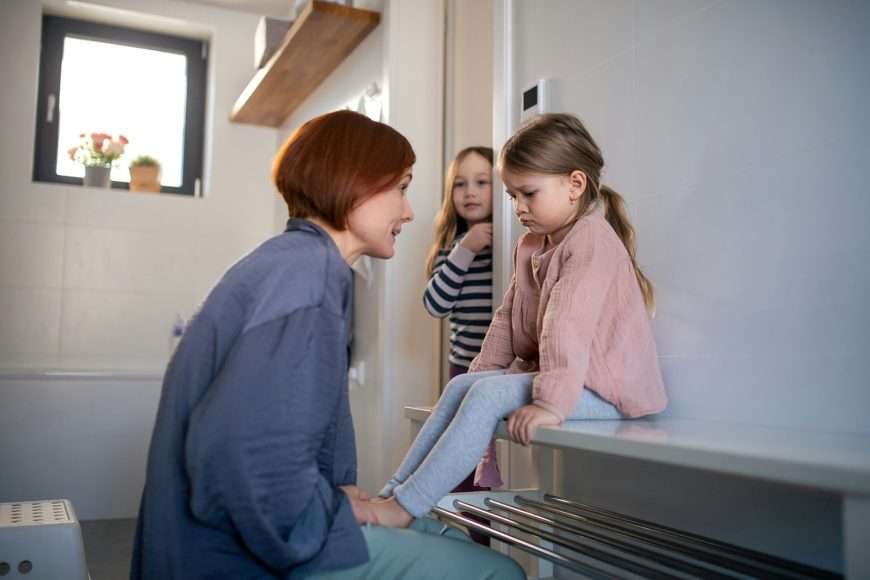
Do you say the same things over and over to your child? Such as…
- “You need to listen more carefully”
- “Be sure to check your work”
- “You need to come up with a plan”
Do you provide the same reminders every day? Such as…
- “Brush your teeth”
- “Don’t forget to charge your laptop for school”
- “Get your homework done before you play videogames”
Do you repeatedly encourage growth in the same areas? Such as…
- “You have got stay more organized”
- “You need to stop procrastinating”
- “You give up too easily”
If you have a teen, do you wonder what will happen when they don’t live at home anymore? How will they…
- Get enough sleep
- Plan and organize meals
- Take medications regularly
- Be on time and meet deadlines
- Manage their time
- Prioritize what matters
- Ask for help when needed
- Effectively solve everyday problems
- Resist distractions and poor decisions
- Create and maintain meaningful relationships
- Tolerate and cope with stress
If your repeated cues, reminders, and consequences are not working, you probably feel like a broken record. We hear about this a lot from parents. They describe feeling overwhelmed, frustrated, anxious, worried… I have deep compassion for you because it’s incredibly difficult to pour your heart into parenting and feel like you’re stuck.
I wonder how your child feels?
If your child is not making the progress needed, it’s likely that your child is also getting some negative feedback from others. What messages are they getting from teachers, coaches, and school staff? What about peers and friends? Other family members?
It’s time to get curious and empathic.
Because a child has a developing brain and does not have fully formed regulatory skills (until young adulthood), we need to meet them where they are at. Then, we can start to move them in a new direction.
Your own strong emotions are a reflection of the love and dedication to your child. If you didn’t care, you wouldn’t have so much emotion. Channel that emotion into motivation to try something new. If you and your child are stuck, you need more information to get unstuck.
First, get curious.
Could your child be thinking any of these thoughts…
- I don’t fit in
- I’m not smart enough
- No matter how hard I try, I can’t do things right
- Everything is too hard
- I’m not as good as other kids my age
- I’m not as good as my siblings
- I never get to win
- Why do I have to have so many problems?
- Life’s not fair
And now put yourself in their shoes. What would you feel if you thought any of the above? What do you observe and think they feel? Have they shared their feelings with you? Feel what your child is feeling. Get empathic.
- Anger, frustration, overwhelm
- Shame, embarrassment, vulnerability
- Fear, worry, anxiety
- Sadness, hopelessness, depression, loneliness
It might be hard to feel empathic toward your child if you’ve built up a great deal of frustration. Frustration can serve as a shield to protect you from the vulnerability of feeling what your child feels. But to connect with your child, you need to be vulnerable sometimes.
Alternatively, you might feel so overwhelmed by empathy for your child that it feels hard to tolerate and attend to their feelings. You might distance yourself because it makes you too anxious. But shutting down those feelings can create an obstacle when connecting with your child.
Empathy is an incredibly powerful emotion to show towards others. It conveys understanding and validation. It opens doors and improves communication. It builds connection and conveys safety.
Start a conversation with your child. Get curious about how they think and feel. Validate what they share. Remind them that you are team and will figure things out together, to make things better. Try not to give solutions or try to fix the problem.
TIP: Sometimes kids and teens are less likely to open up when face to face. Start your conversation during an activity so it feels less confrontational and nonchalant (but not distracting), such as riding in the car, going for a walk, working on a puzzle, cooking together, etc. Also think about time of day and other factors that affect your child’s mood.
Here are some ideas for how to get started. Adjust these to the age, abilities, and circumstances of your child:
- Start by owning some responsibility and labeling your own behavior and emotions:
- I noticed that I’ve been frustrated with you a lot lately
- I feel like I might be nagging you a lot
- I wonder if you get tired of me reminding you to do things all the time?
- I wonder if you get annoyed with me when I keep bringing up _____________?
- I know that I have been hard on you about __________?
- Don’t guess or assume what they think and feel. Ask open ended, neutral questions around the area of concern, or ask broad questions to learn as much as possible.
- What do you think makes doing __________________ (chores, homework, etc) so hard (frustrating, boring, etc)?
- Is there anything I could be doing differently to be helpful?
- What do you wish could be better?
- Are you saying that ______________ made you feel really angry/sad/alone/etc?
- Tell me what school has been like lately?
- What’s your __________ (teacher/coach name) been like lately?
- How is ________________ (friend name) doing?
- What are the other kids like at school?
- What happens at school (team practice, etc) when things aren’t going well?
- Listen, give reflective statements, and validate what they say. Remember that you don’t have to agree. Don’t try to fix the problem. And don’t correct or judge what they say. Focus on what your child thinks and feels without sharing your own thoughts and feelings (unless you are reflecting empathy).
- I can tell that you are really angry about this.
- That sounds horrible. I can understand why it made you so upset.
- It’s really unfair. You have every reason to feel angry, sad, etc.
- That really hurt your feelings. It would hurt my feelings too.
Keep finding opportunities to show curiosity and empathy, even brief moments are impactful. It doesn’t have to be a planned conversation.
Now use the information you are getting from your child to consider next steps. Also talk with the people in your child’s life, such as family, teachers, coaches, therapists, etc, to learn as much as possible about concerns.
Do you need more help? Talk with the school counselor about any resources at school. If your child is already working with a counselor, ask to have a parent meeting to share what you learned.
If an evaluation, consultation, or brief intervention could be helpful, visit our website to learn about the services at the Pediatric Neurodevelopmental Center: www.pedneurocenter.com We would be happy to provide a free consultation to help you find next steps.
You might also find the following resources to be helpful:
Building Self-Awareness with Metacognition