Dyslexia in Children with Medical and Genetic Conditions

Dyslexia is a language-based learning disability that affects reading, as well as writing, spelling, and spoken language. Symptoms can range from mild to severe, and they can affect educational progress significantly when a child does not get timely intervention.
Dyslexia affects around 15-20% of the general population. Depending on the study methods, sample, and reading measures, genetic factors seem to explain anywhere from 40% to 70%. This means that dyslexia is highly heritable! Unfortunately, many children go undiagnosed and as adults, they may not realize that slow reading speed, poor spelling skills, weak comprehension, and fatigue while reading could be related to undiagnosed dyslexia. Understanding the heritability of dyslexia in families is important if you have a child who is struggling with reading.
Children with medical and genetic conditions that affect the developing brain are at increased risk of neurodevelopmental disorders, including learning disabilities such as dyslexia.
Let me explain…
Disruptions to brain development
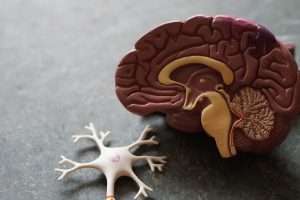
Studies have shown that individuals with dyslexia often exhibit differences in the structure and function of specific brain regions involved in reading and language processing, such as the left temporoparietal cortex and the left inferior frontal gyrus. Disruptions in the development of these brain regions can impact the ability to process and decode written language efficiently.
More specifically, Dyslexia is also associated with altered connectivity patterns within the brain’s neural networks responsible for reading and language processing. Disrupted brain development can lead to atypical connections or inefficiencies in communication between different brain regions, hindering the smooth processing of visual symbols (letters) into meaningful language representations (letter sounds, phoneme sounds, words), as well as processing auditory information (e.g., phonological information).
The cause for these neurological differences is not always understood. In some cases, the child develops dyslexia because it is inherited from family. In other cases, it may be associated with a medical condition that affected brain development. This could include conditions such as epilepsy and congenital conditions acquired before birth.
NOTE: It’s important to understand that a traumatic brain injury may cause problems with reading, but dyslexia is a neurodevelopmental disorder that is not acquired following an “injury” to the brain. Reading problems following an injury to the brain need to be understood in the context of other cognitive abilities.
Genes and environment interaction
Neurodevelopmental disorders (e.g., autism spectrum disorder, intellectual disability, and attention-deficit/hyperactivity disorder – ADHD) including dyslexia have been linked to specific genetic variants or mutations. These variants can affect various aspects of neurological function, including synaptic transmission, neurotransmitter regulation, and neuronal connectivity.
Many of the same genetic variations associated with dyslexia are similarly involved in brain development and neural functioning. Disruptions in genes related to neuronal migration, synaptic transmission, and myelination, among other processes, can interfere with the normal development of brain regions critical for reading and language processing.
Gene-environment interactions can also influence the expression of genetic traits and contribute to the development or severity of neurodevelopmental disorders. This could include prenatal risk factors that are also associated with congenital conditions and genetic disorders (e.g., congenital heart disease, birth defects, 22q11 deletion syndrome, etc). Exposure to certain toxins (e.g., medications, drugs) and some maternal medical conditions during pregnancy can increase the risk of neurodevelopmental disorders by activating genetic predispositions. If a parent has a family history of dyslexia, abnormal fetal brain development could increase the risk of the child also developing dyslexia. In other words, the prenatal risk factors can cause the genes for dyslexia to “turn on” or express themselves in the child.
What to do if you have concerns
If you have a child with a medical or genetic condition and you notice slowed progress in reading, it is highly recommended that they complete a neuropsychological evaluation. It can be difficult to diagnosis dyslexia in a child with a medical condition because they tend to have scattered strengths and weaknesses across domains, and this can be confusing to school providers and some child psychologists. Contact us for a free consult to learn more about how we might be able to support you and your child: [email protected]
If your child already has a diagnosis of dyslexia, advocate to make sure they are getting structured literacy instruction at school and possibly with tutoring. Effective intervention is critical to the at-risk reader!
More resources: