
Dyslexia
How do attention problems and executive functioning challenges affect your child?

Attention problems and executive skills challenges are the most common concerns from parents of children with developmental differences. These concerns can be confusing in children who also have exceptional strengths. And concerns change across different settings, at different ages, and in different kids, which can also be confusing. Neurological correlates of attention involve connections that…
Read MoreWhy can’t my child retain information?

This is what I hear from parents… Oftentimes the most difficult type of learning and memory is called rote learning. This is learning that has very little content or meaning. As a result, students tend to just review and try to memorize the material, such as with spelling words. While some students can memorize spelling…
Read MoreStructured Literacy is the Most Effective Reading Intervention

I have sat with MANY children who are struggling to read. It never gets easier to tolerate the discomfort that I feel from listening to the child. It’s so unfair that some children don’t pick up reading naturally. As they fumble and strain over the words, I’m carefully taking notes so I can detect their…
Read MoreEarly Signs of Dyslexia
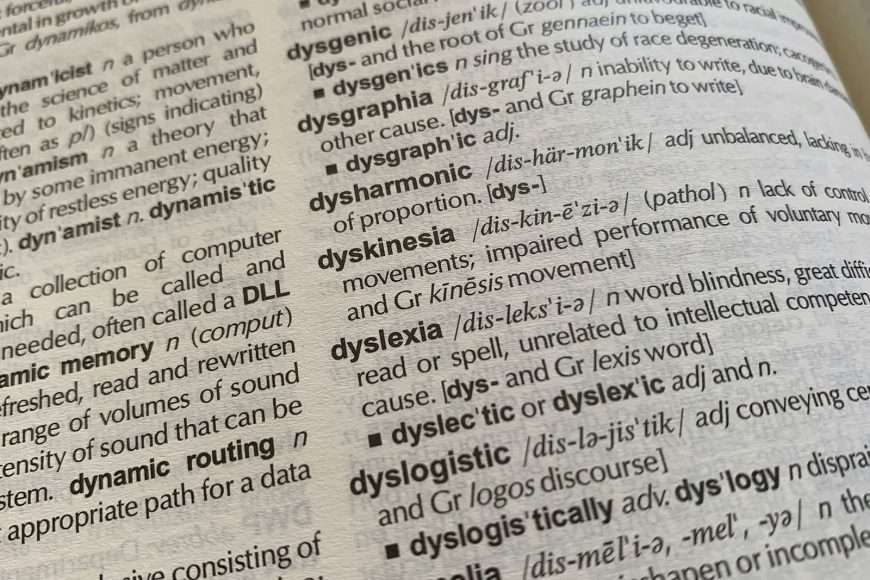
Dyslexia is a language-based learning disability that affects reading, and it often affects writing, spelling, and aspects of spoken language as well. These difficulties are due to weak processing and manipulation of the sounds of language, despite typically developing cognitive or intellectual functioning. In other words, reading challenges are unexpected in the context of the…
Read MoreWhen you get a new diagnosis for your child…

Has your child been diagnosed with a neurodevelopmental disorder, such as ADHD, autism spectrum disorder, intellectual disorder, or a specific learning disability (also called dyslexia, dyscalculia or dysgraphia)? Many of these disorders tend to co-occur and they are highly heritable in families. Children with medical conditions are at higher risk of neurodevelopmental disorders as well. …
Read MoreWhat is a Neurodevelopmental Disorder?

You might be wondering what this means…. Neurodevelopmental disorders encompass a group of disabilities that involve delays, deficiencies or problems that begin during childhood or adolescence (and can persist into adulthood). A range of skills or behaviors can be affected: Based on what science has learned from typically developing healthy children, we know the developmental…
Read MoreThe Importance of Reading Aloud to Your Child

Start as early as possible (even at birth), make it part of your daily routine, and continue as long as your growing child enjoys it (early adolescence)! Research has shown that reading aloud to your child: Reading aloud to your child before kindergarten makes a critical difference in language development. Here are estimates for number…
Read MoreGenetics and Neurodevelopmental Disorders

The link between genetic disorders and neurodevelopmental disorders is complex, and in some children, there is also a medical condition. With the integration of medicine, neuroscience, and psychology, the field of genetics has the potential to improve the timing and accuracy of diagnosis and the effectiveness of treatment. Learn more about The Human Genome Project…
Read MoreAttention Problems: Is it ADHD or something else?

The majority of children referred for an evaluation have some form of attention problems. This might include difficulty with any of the following: Some also have trouble with behavior regulation, such as with the following: At first glance, any combination of these symptoms can suggest the possibility of an attention deficit hyperactivity disorder or ADHD,…
Read More